

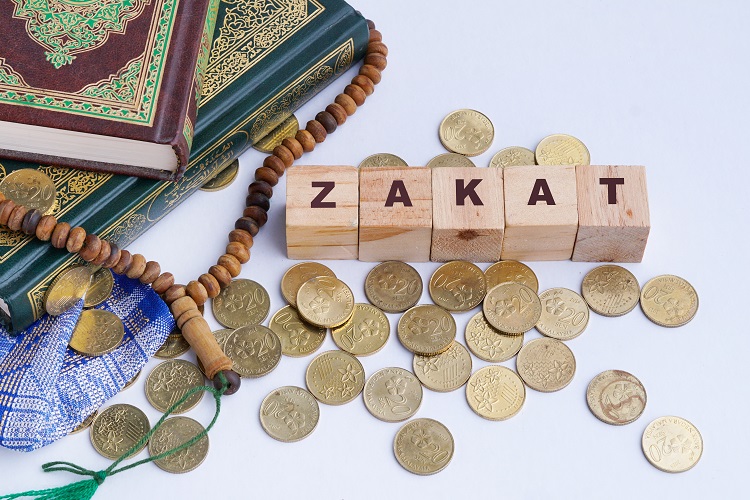
Zakat, a fundamental pillar of Islam, embodies the spirit of compassion, social responsibility, and solidarity within the Muslim community. Understanding how to calculate Zakat accurately is not only a religious obligation but also a means to foster economic equity and alleviate poverty. In this comprehensive guide, we delve into the intricacies of Zakat calculation, ensuring a thorough understanding for all.
Understanding the Concept of Zakat
Zakat, derived from the Arabic root “z-k-a,” meaning “to purify” or “to grow,” is a mandatory form of almsgiving ordained by Allah. It serves as a purification of one’s wealth and a means to fulfill the needs of the less fortunate. As one of the five pillars of Islam, Zakat holds significant spiritual and societal importance.
The Nisab: Determining Zakat Eligibility
Before embarking on the calculation of Zakat, one must ascertain their eligibility based on the Nisab, the minimum threshold of wealth required for Zakat obligation. The Nisab can be calculated using two standards: gold and silver. The current values of 85 grams of gold and 595 grams of silver serve as benchmarks.
To determine Zakat eligibility, individuals should assess their total wealth, encompassing assets such as cash, investments, gold, silver, and other valuables. It is advisable to utilize the lower Nisab value to ensure inclusivity and maximize the benefits to those in need.
Calculating Zakat: A Step-by-Step Guide
- Identify Zakatable Assets: Begin by listing all assets subject to Zakat, including cash, investments, gold, silver, business assets, livestock, and agricultural produce. Each category requires careful consideration to ensure comprehensive Zakat calculation.
- Deduct Liabilities: After compiling the total value of assets, deduct any outstanding debts, loans, or liabilities. This step yields the net assets, which form the basis for Zakat calculation.
- Compute Zakat: Apply the standard Zakat rate of 2.5% to the net assets to determine the amount of Zakat owed. This percentage ensures a fair contribution while upholding the principles of generosity and compassion.
Example Calculation:
If an individual’s net assets amount to $100,000, the Zakat payable would be $2,500 ($100,000 x 0.025).
Distributing Zakat: Fulfilling Obligations
Zakat distribution plays a pivotal role in ensuring equitable wealth distribution and addressing the needs of various segments of society. As outlined in the Quran (Surah At-Tawbah, 9:60), Zakat should be allocated to eight categories of eligible recipients:
- The Poor: Those lacking basic necessities of life.
- The Needy: Individuals experiencing financial hardship.
- Zakat Administrators: Entities responsible for collecting and distributing Zakat.
- Those Whose Hearts Need Reconciliation: Individuals seeking to embrace Islam or reconcile their hearts with the faith.
- Freeing Slaves: Contributing to the liberation of slaves and promoting freedom.
- Those in Debt: Individuals burdened by debt, striving for financial stability.
- In the Cause of Allah: Funding projects and initiatives for the betterment of society.
- The Wayfarer (Traveler in Need): Providing assistance to travelers facing adversity.
By adhering to these categories, Zakat ensures comprehensive support for those in need while fostering community cohesion and empowerment.
In conclusion, calculating Zakat involves a meticulous assessment of one’s wealth, deduction of liabilities, and application of the standard Zakat rate. Fulfilling this religious obligation not only purifies one’s wealth but also contributes to the welfare of society’s most vulnerable members. Through conscientious Zakat distribution, individuals can uphold the principles of compassion, justice, and solidarity embedded within Islamic teachings.
